
Sound absorbing panels
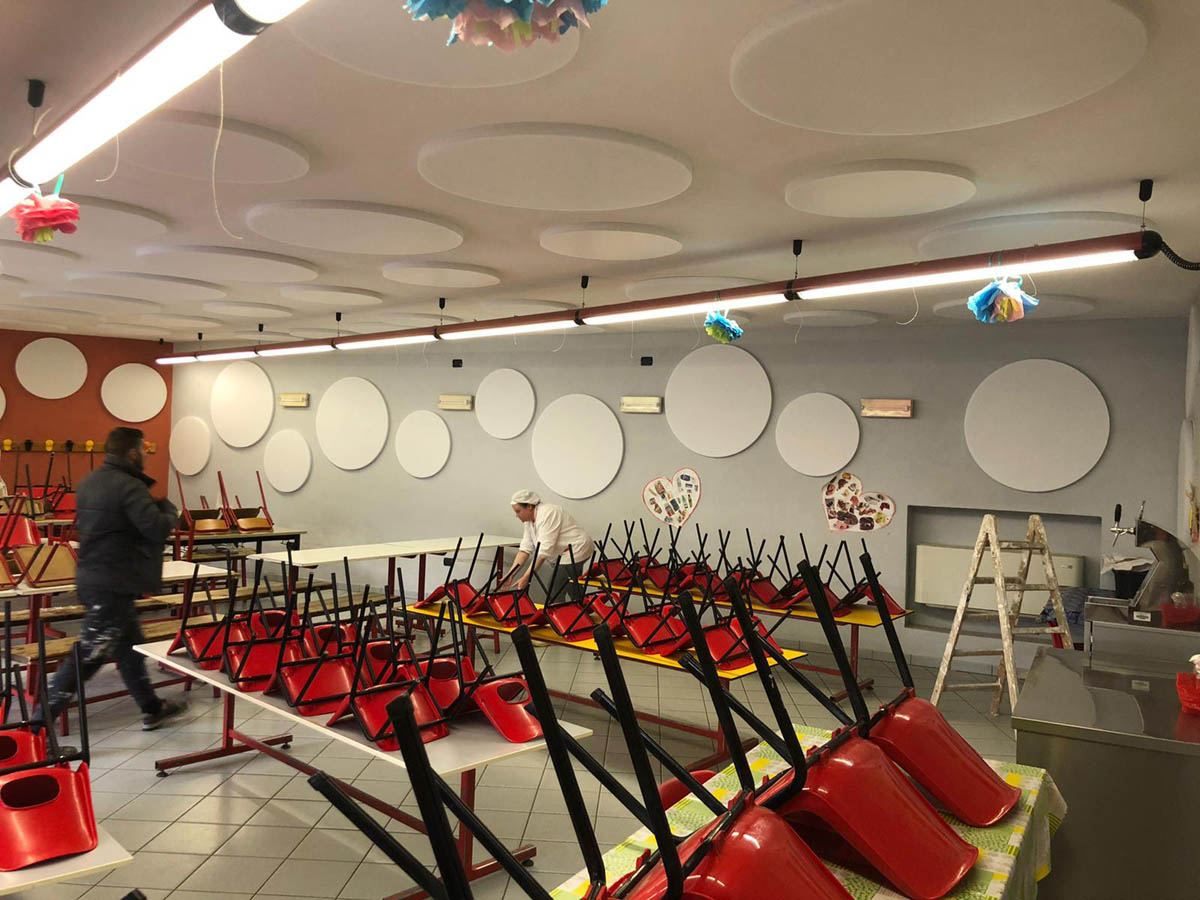
In this page, you can find all the technical insights about the acoustic concept of sound absorption, the description of materials and technologies adopted to produce sound-absorbing panels and a detailed overview of their use in architecture and interior design.
For an immediate view of materials and sound-absorbing systems produced and sold by ACUSTICO – The most various and complete online product catalogue of acoustic panels – we redirect you to our website page PRODUCTS.
Sound absorbing panels with coloured fabric covering
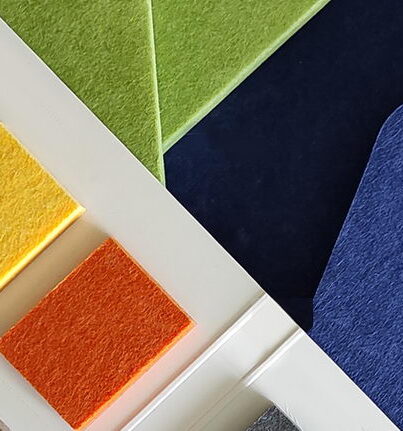
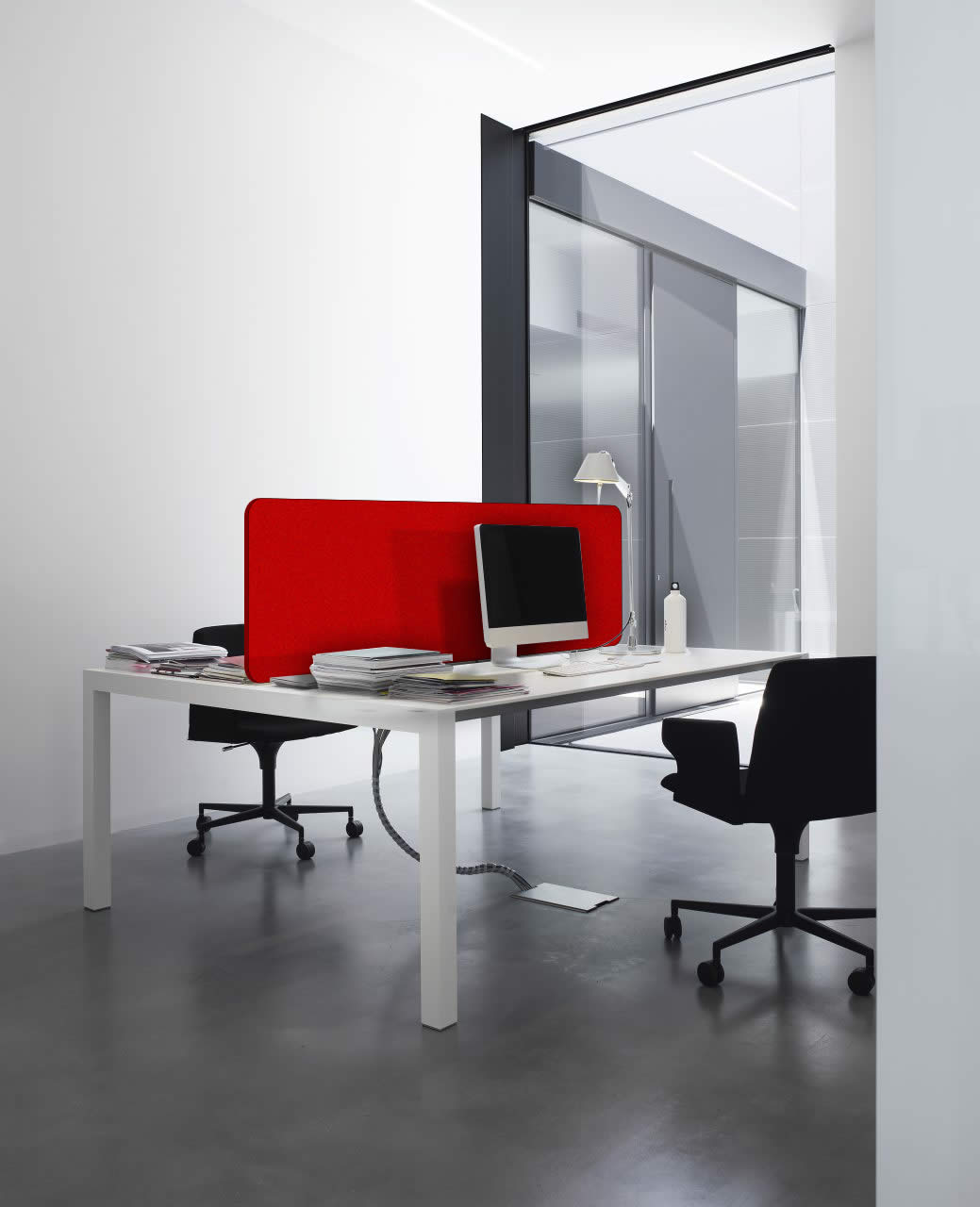
ACUSTICO proposes a wide range of panels available in many standard dimensions, covered with traditional or fireproof fabric, and offers the possibility to choose fabric type and colour from different collections.
Acoustic panels in the fabric-covering version are made with an internal polyester fibre core with variable thickness and density to improve the sound absorption performances. In this case, the fabric covering is just an aesthetic finishing, and does not modify any acoustic feature of the internal material.
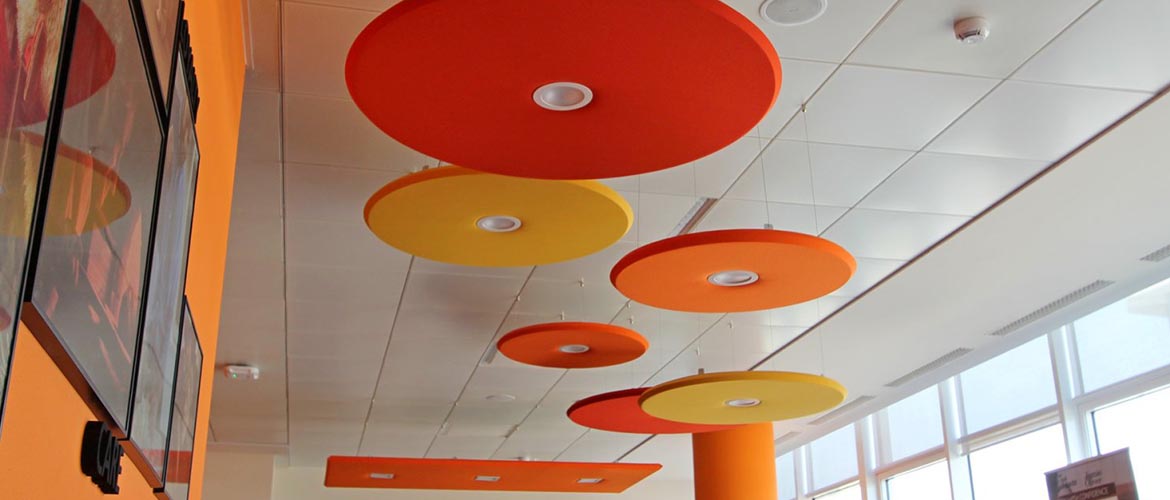
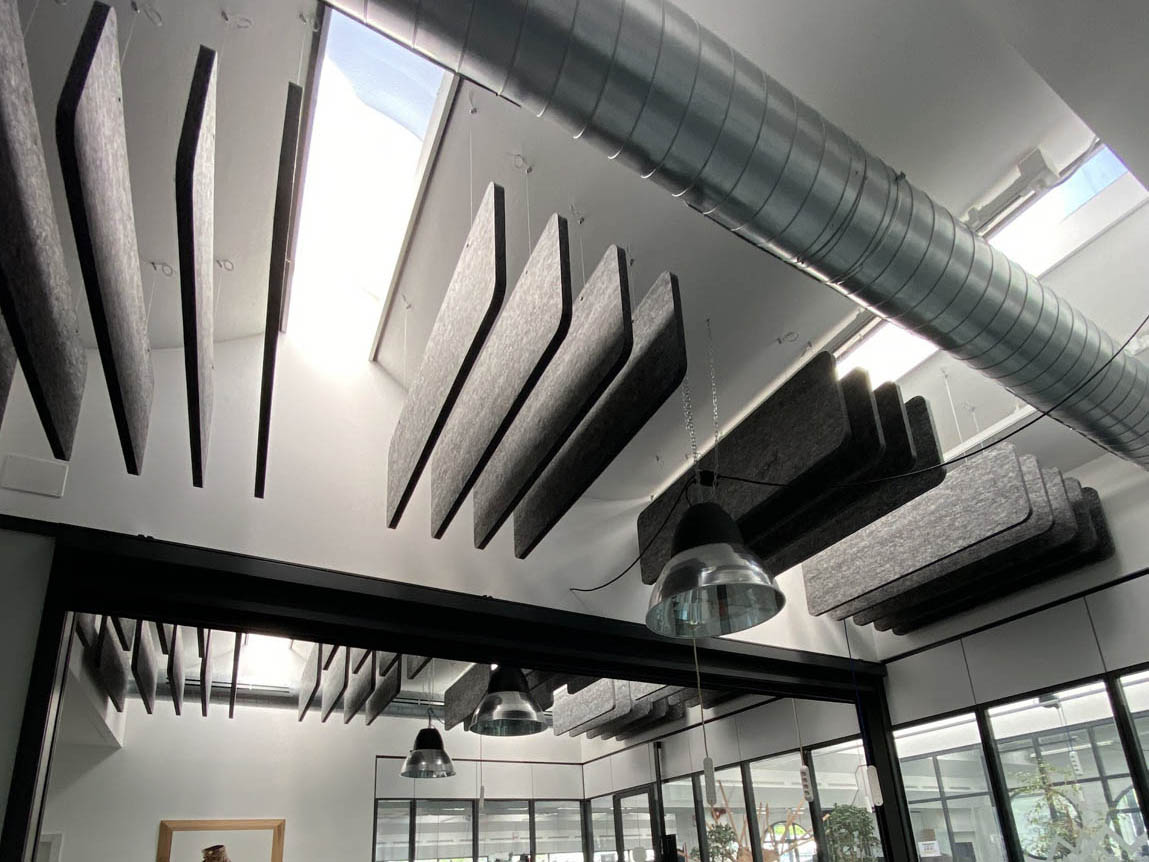
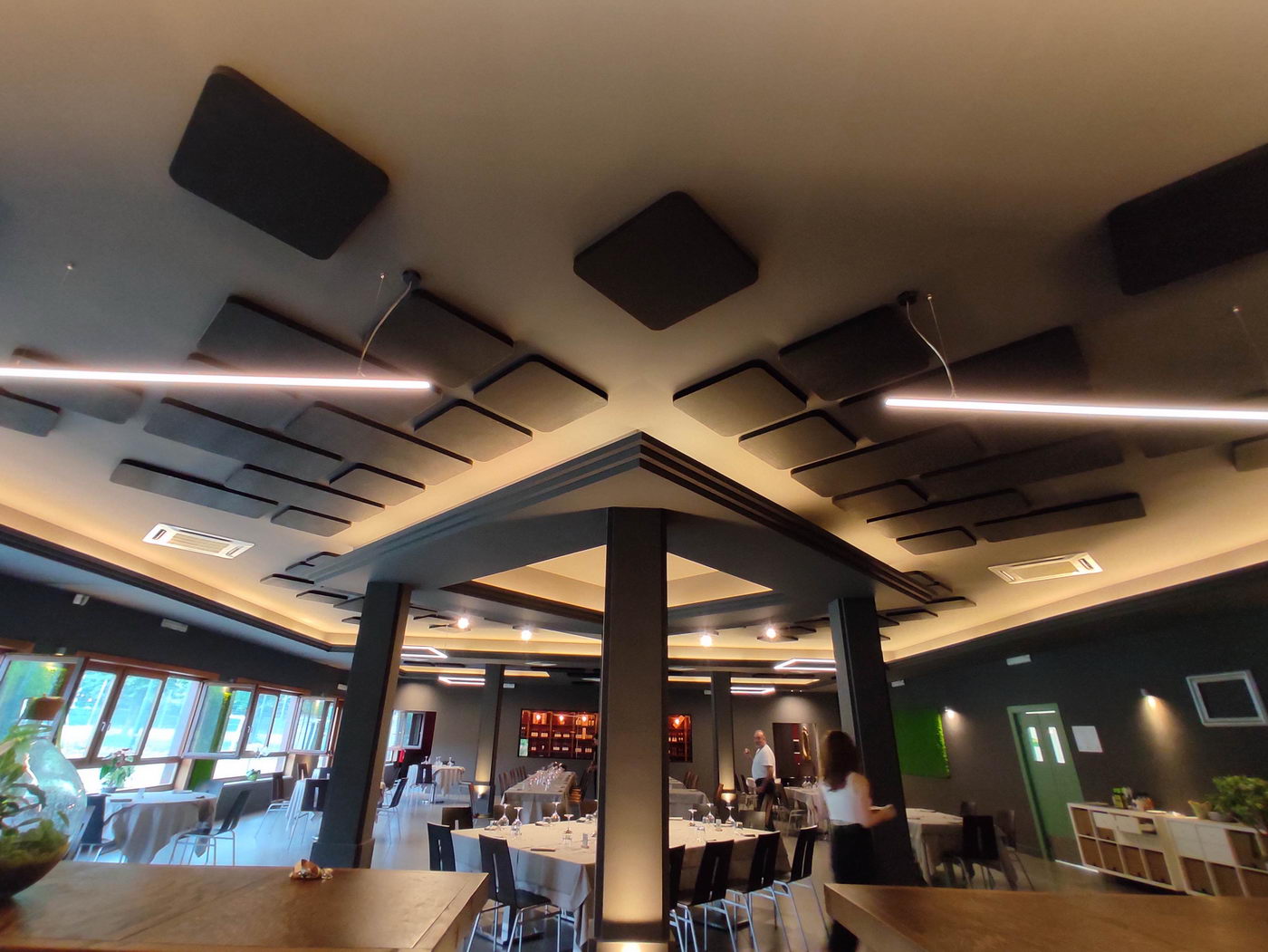
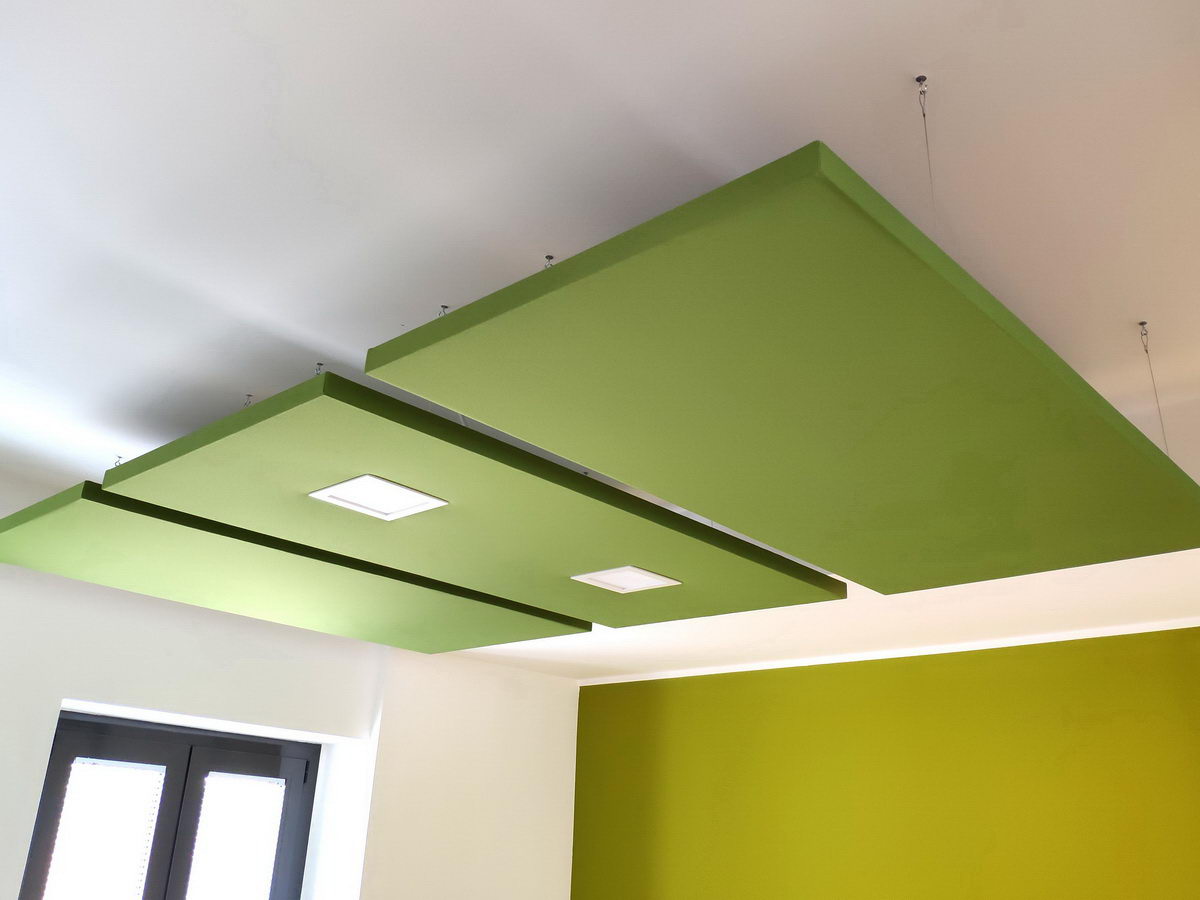
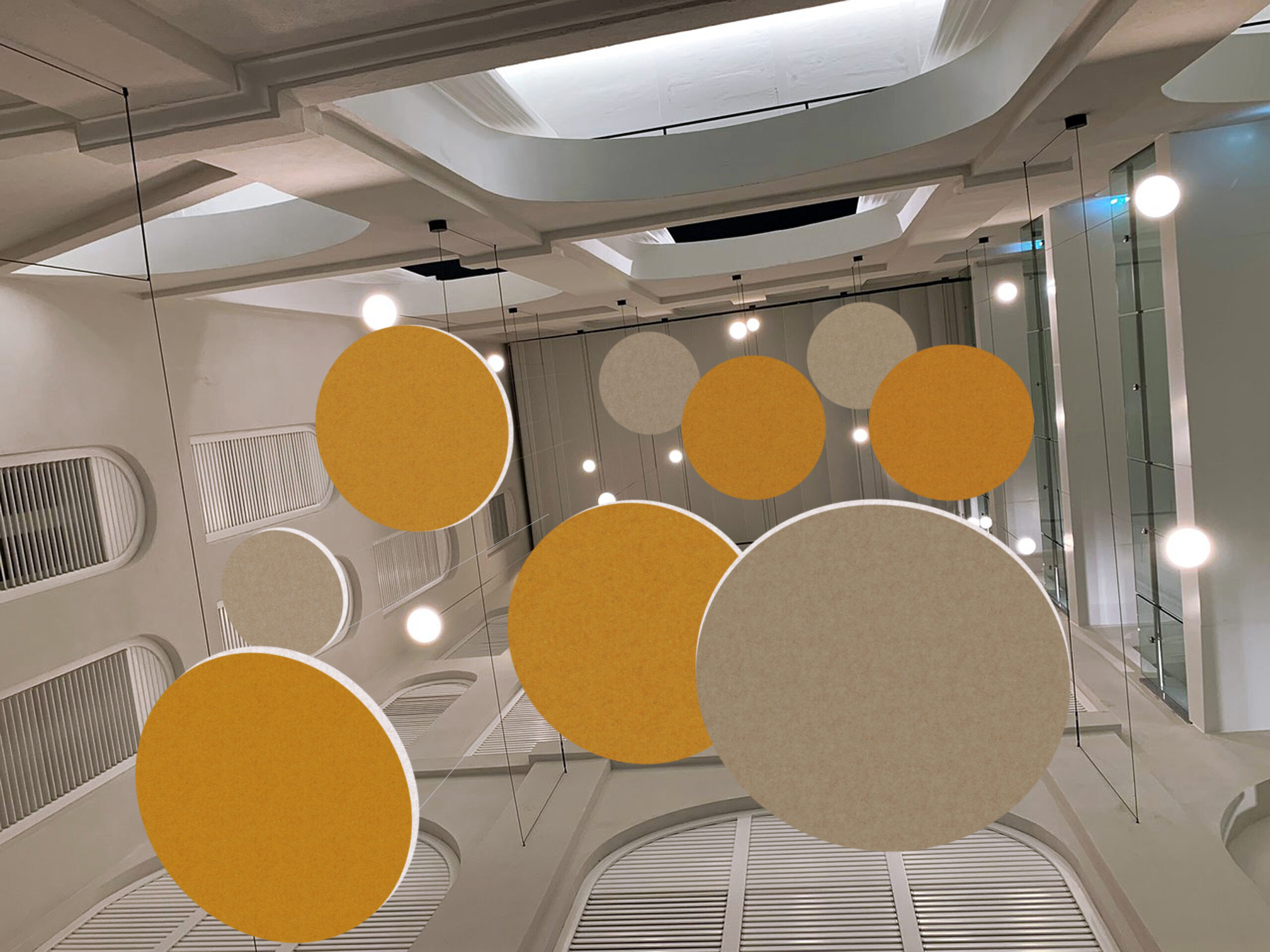
If required, panels can be provided with removable fabric covering or with special internal reinforce structure, to give panels particular shapes or three-dimensional conformations, such as curves or waves (called “cloud panels”, as they are normally suspended to the ceiling).
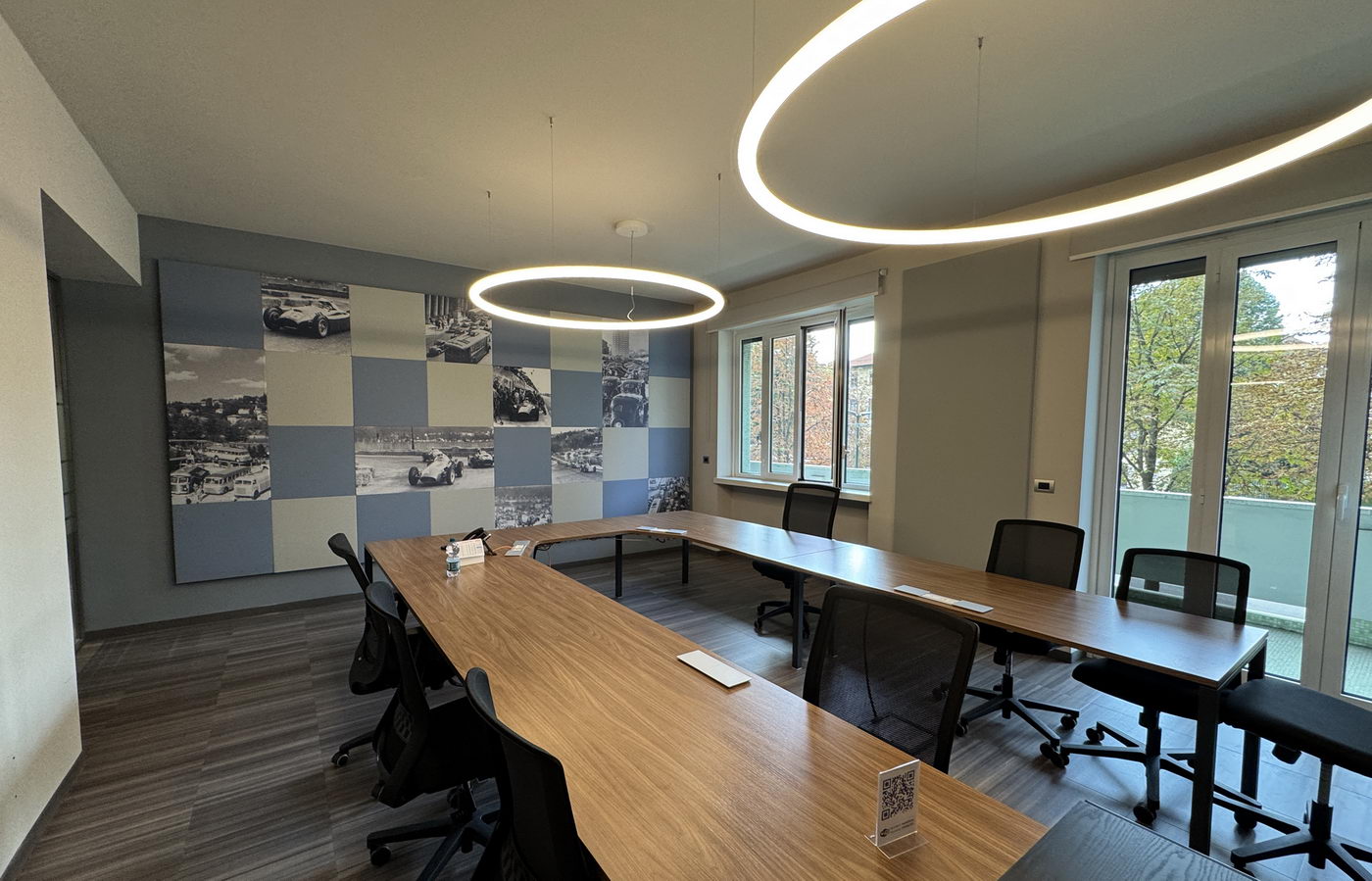
Fabric-covered panels are available in many standard versions or, if requested, customized (shape, dimension, printing with photos or logos) and realized with specific acoustic performances.
Metal sound absorbing panels
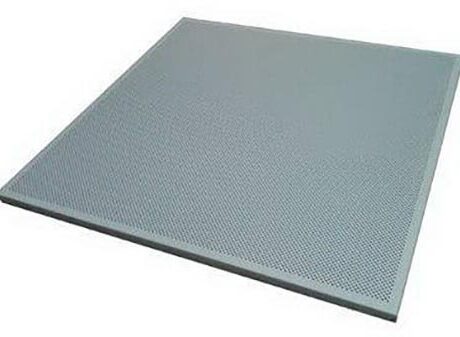
Metal perforated sound absorbing panels give spaces uniqueness, elegance and a strong hi-tech character. This panel line by ACUSTICO is available in a wide range of perforations and may be realized with varnish steel, stainless steel or treated aluminium.
In addition to the standard perforations, ACUSTICO can produce special false ceiling tiles, with specific millings and shapes, based on customer requests and drawings, using laser cutting systems.
Holes dimension and density define panels’ acoustic performances. Metal sound-absorbing panels are made with a coupled polyester fibre material, which contributes to improving sound absorbing features.
Wooden sound absorbing panels
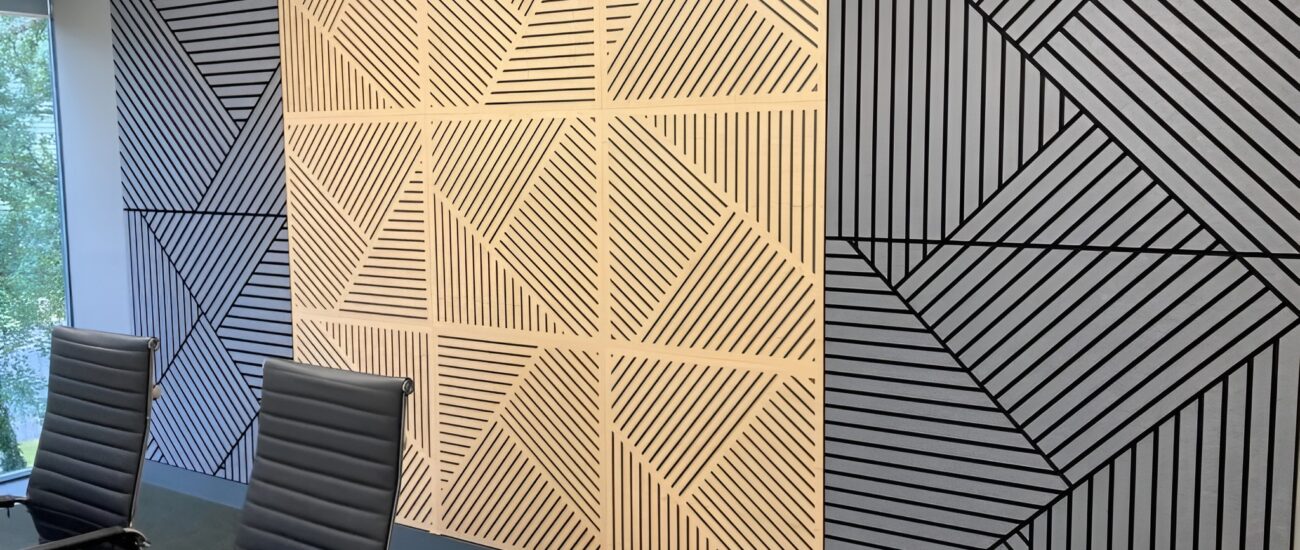
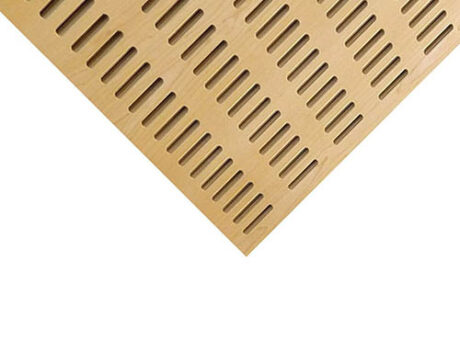
Wooden acoustic panels ensure spaces prestige and an immediate feeling of warmth. ACUSTICO wooden sound absorbing panels are available in a wide variety of wood essence and special finishes (lucid, brushed or coloured raw wood).
Holes dimension and density determine the acoustic and sound-absorbing performances of panels. Wooden sound absorbing panels are made with a coupled polyester fibre material, which increases the general sound absorption performances of these false ceiling tiles.
Sound absorbing panels made of synthetic expanded materials
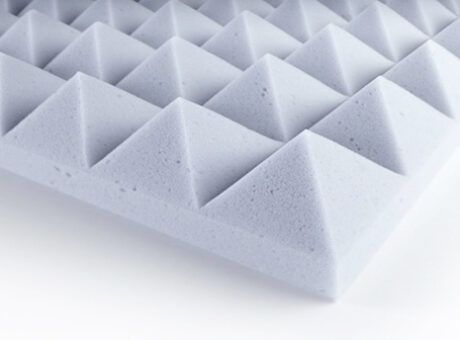
In the past, sound absorbing panels made of synthetic expanded materials (polyurethane and melamine) represented the sound absorbing panels par excellence, and were the only solution available on the market. This is confirmed by the fact that nowadays even the non-professionals perfectly know pyramidal panels, associating them to spaces for audio music.
In the last few years these materials lost a part of their commercial appeal and were replaced by panels realized with new components, for example polyester fibre. This last panel type grants a longer durability, gives better acoustic performances and meets more restrictive features of fire resistance.
ACUSTICO produces many sound absorbers made with synthetic foam such as polyurethane, melamine and polyethylene, known with the commercial name of Resounder.
The possibility to produce and cut materials autonomously, together with their versatility and workability, permits to realize an infinite variety of shapes, dimensions and production solutions (even made according to a specific drawing provided by the customer).
Even for this type of products, ACUSTICO only trades Italian certified materials of high quality and density.
TECHNICAL INSIGHTS ABOUT SOUND ABSORPTION
Sound absorption is the material capacity to absorb sound energy and transform it into heat energy, and it’s variable from a material to another.
Sound-absorbing features of a material are higher when sound wave frequency increases (Frequency is the repetition of identical events in a specific time interval and is measured in Hertz).
A sound absorbing material should have simultaneously high “acoustic transparency”, a strong capacity of absorbing the entering air flux (low resistance to flux), and good “inflow energy dissipation” (high resistance to flux), so it should have the capacity of balancing these two contrasting features.
A porous material increases the dissipation of sound energy, because of the vibration of its surfaces and cavities (they are efficient at higher frequencies); instead, a compact material may be efficient at lower frequencies only if flexible, amortizing and damping the incident sound waves.
The absorption by porosity is a consequence of viscosity, and the sound absorbing capacity depends on the panel’s density and thickness.
Sound absorbing materials by porosity, can be divided in the following typologies:
- Fibrous materials (such as glass wool, rock wool, wood shavings, cork, polyester fibres, gypsum, drywall, carpet, linoleum, curtains, natural and artificial fabrics of any type).
- Open-cell materials (such as polyurethane foam, expanded polyurethane, melamine foam).
Sound absorption by porosity is efficient at medium and medium-high frequencies, while it is necessary to adopt high thickness materials to reduce the sound energy at low frequencies.
Fibrous sound absorbing materials
Glass wool
It’s a formless silicate material, derived from glass and marketed in rolls, slabs or sound absorbing panels, which has a high capacity of incorporating air through a fluffy structure and of transforming the sound wave in heat energy. For sure, it is one of the best sound absorbing materials, suitable for thermal insulation as well, relatively low-cost and highly efficient in the noise control.
Glass wool belongs to the family of synthetic vitreous fibres, as well as rock wool (described below). They are not so adopted for installation in spaces where sound-absorbing material is needed, since it’s not possible to understand which is the real dispersion of inhalable fibres and micro-dust in the environment, even if they are fabric-covered, film-covered or varnished. At the same time, the formaldehyde adopted in fibres ligands and present in this material is not traceable and measurable.
Rock wool
It is similar to glass wool and derives from a special extractive procedure of the volcanic rock. Its fire resistance is higher than glass wool. It’s available in panels and rolls.
Cork
In the past, cork was considered as the best sound absorbing material ever. Anytime the ecological and health exigencies have a fundamental role, and a higher economic budget is available, it is better to choose this type of acoustic material instead of glass and rock wool. It is available in slabs and sound absorbing panels.
Wood shavings
Wood shavings are realized through pressure and gluing of wooden fibres (deriving from working scraps) to form rigid and resistant panels. The result is a product with discrete sound absorbing and insulating properties. Even in this case, it is important to evaluate the quantity of formaldehyde present in the ligand adopted for the panel production.
Carpets
They are artefacts made of natural materials (wood, linoleum, canvas, jute, coconut fibre) or acrylic-based. Carpets are commonly used for home and shopping stores furnishing, and contribute a lot in the achievement of acoustic comfort standards.
Curtains
Curtains made of cloth or other natural/synthetic fabrics contribute in the absorption of sound waves, improving the reverberation features of sound for a better use of spaces.
Curtains can be acoustically more effective if they are thicker and heavier, considering the common sound frequencies of human speech.
Open-cells sound absorbing materials
Polyurethane foam
It’s a polymer with excellent acoustic absorbing features and it’s adopted both to fill in cavities (in order to grant walls better soundproofing performances) and to improve the acoustic comfort in living environments, civil and commercial buildings.
It’s suitable for different technical applications, according to its production versions (pyramidal foam, convoluted foam or smooth).
Produced with the shape of soft mattresses, polyurethane may be insufflated to fill in cavities and easily worked if used as polyurethane foam, answering to multiple sound absorbing necessities.
Expanded melamine
It’s a light and flexible sound-absorbing material, deriving from resins or acrylic foams, and it’s more fire resistant than expanded polyurethane, being a highly classified flame-retardant.
Expanded vermiculite
This mineral expands a lot if cooked and gains considerable soundproofing qualities. It’s adopted in case of insufflation or to realize sound absorbing plasters.
Expanded perlite
Silicate of volcanic origin, it can be used as acoustic insulator to fill in cavities or to realize sound absorbing plasters, in the same way as vermiculite.
Expanded clay
It’s a natural product, subject to high temperature cooking, for the realization of plasters and blocks with high sound absorbing qualities.
Other secondary acoustic absorbers are the expanded polyethylene and polystyrene (Styrofoam)
Contact Us
Get in touch