
A memorable restaurant experience depends on much more than the quality of the food.
Atmosphere, interior design, lighting, service, and comfort all contribute to how customers experience a hospitality environment.
Yet one of the most important elements of restaurant design is frequently overlooked: acoustics.
A beautiful dining room can quickly become uncomfortable when conversations, background music, and everyday activity combine to produce excessive noise.
With the right acoustic treatment, restaurants can create environments where guests communicate comfortably, enjoy the atmosphere, and experience the space as intended.
Why Restaurant Acoustics Are So Important
Restaurants are naturally active environments.
Guests talk across tables, employees communicate with one another, plates and glasses generate sound, and music contributes to the atmosphere.
These sounds are normal elements of hospitality, but problems arise when the room itself amplifies their effects through excessive reverberation.
In a highly reflective environment, sound energy continues bouncing between surfaces, creating a prolonged buildup of sound.
As background noise increases, guests may begin speaking louder to make themselves heard.
This can create a cycle in which conversations progressively contribute to an even louder environment.
Controlling reverberation is therefore essential for creating comfortable dining conditions without eliminating the lively character of the space.
What Causes Excessive Noise in Restaurants?
Many contemporary restaurants use materials selected primarily for appearance, durability, and ease of maintenance.
Common examples include:
- Large glass windows and partitions
- Concrete or exposed structural ceilings
- Stone and ceramic flooring
- Hard decorative wall surfaces
- Metal and wooden furnishings
- Large open-plan dining areas
While these materials can create impressive architectural environments, many of them reflect sound rather than absorb it.
The acoustic characteristics of the room become especially noticeable during busy service periods, when multiple conversations and activities occur simultaneously.
Introducing suitable sound-absorbing materials can help balance the reflective surfaces without requiring a complete interior renovation.
Understanding Reverberation Time in Restaurants
Reverberation time is one of the key parameters used in architectural acoustics.
It describes how long sound takes to decay within an enclosed environment after the original sound source has stopped.
The commonly used parameter RT60 represents the time required for the sound level to decrease by 60 decibels under specified measurement conditions.
A restaurant with excessive reverberation may feel loud and acoustically confusing, even when the individual sound sources are not unusually powerful.
By incorporating appropriate sound-absorbing materials, designers can reduce reverberation and improve the acoustic balance of the room.
However, the appropriate reverberation target depends on the restaurant’s dimensions, layout, intended atmosphere, and operational requirements.
There is no single acoustic treatment suitable for every hospitality environment.
How Acoustic Panels Help Reduce Restaurant Noise
Sound-absorbing panels manage reflected sound by capturing and dissipating part of the sound energy that would otherwise return to the room.
When properly positioned, acoustic panels can reduce excessive reverberation and improve the clarity of conversations.
This does not mean that the room becomes silent.
The objective is to establish a more comfortable acoustic balance in which normal conversation and the atmosphere of the restaurant can coexist.
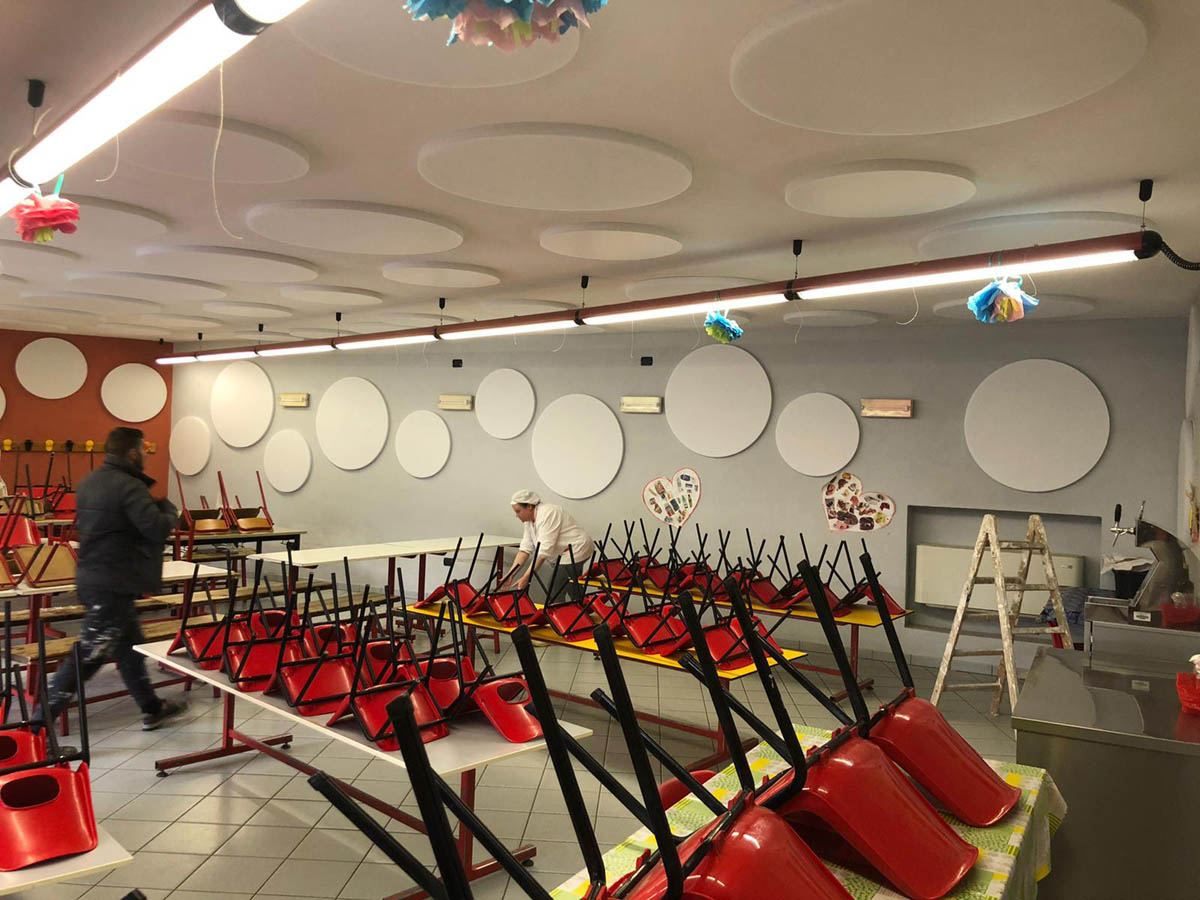
Acoustic solutions may be installed on walls, ceilings, or as suspended decorative elements, depending on the architectural characteristics of the space.
Ceiling Acoustic Panels: A Practical Solution for Dining Areas
In many restaurants, wall space is occupied by windows, artwork, decorative features, and furniture.
The ceiling can therefore provide a valuable surface for acoustic treatment.
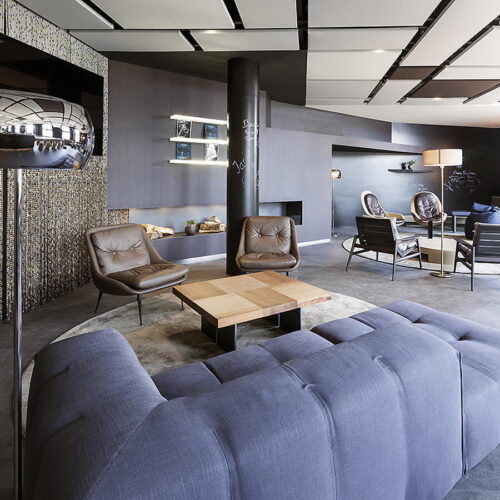
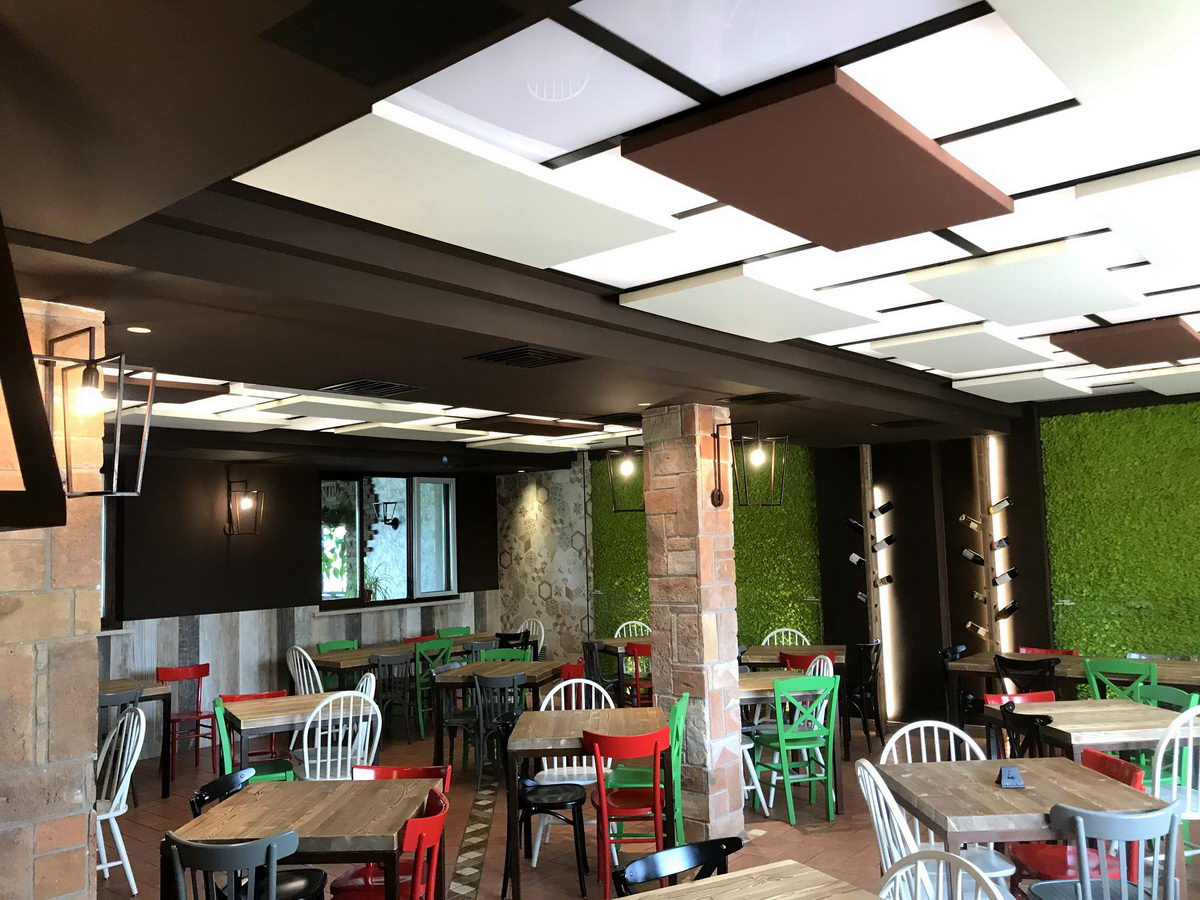
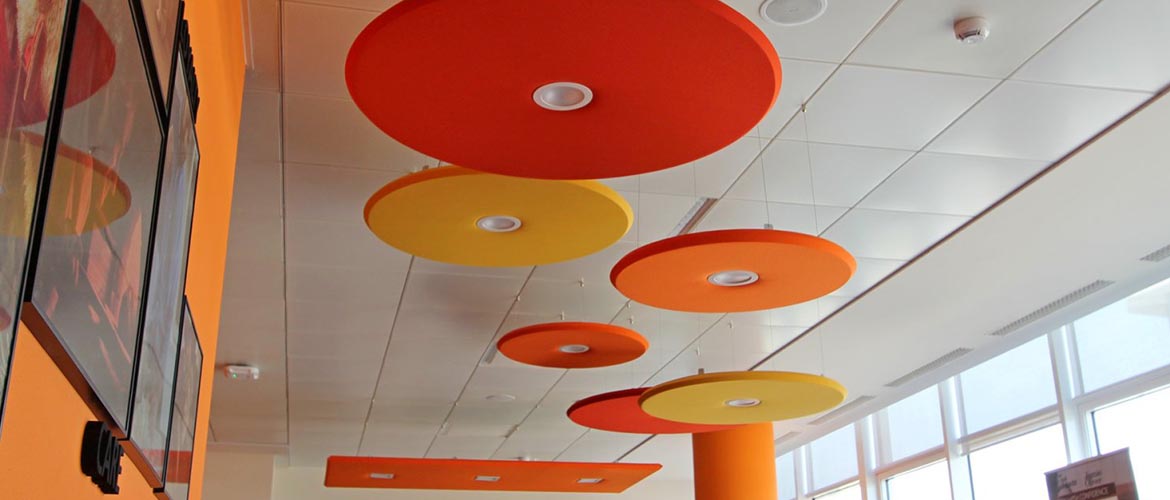
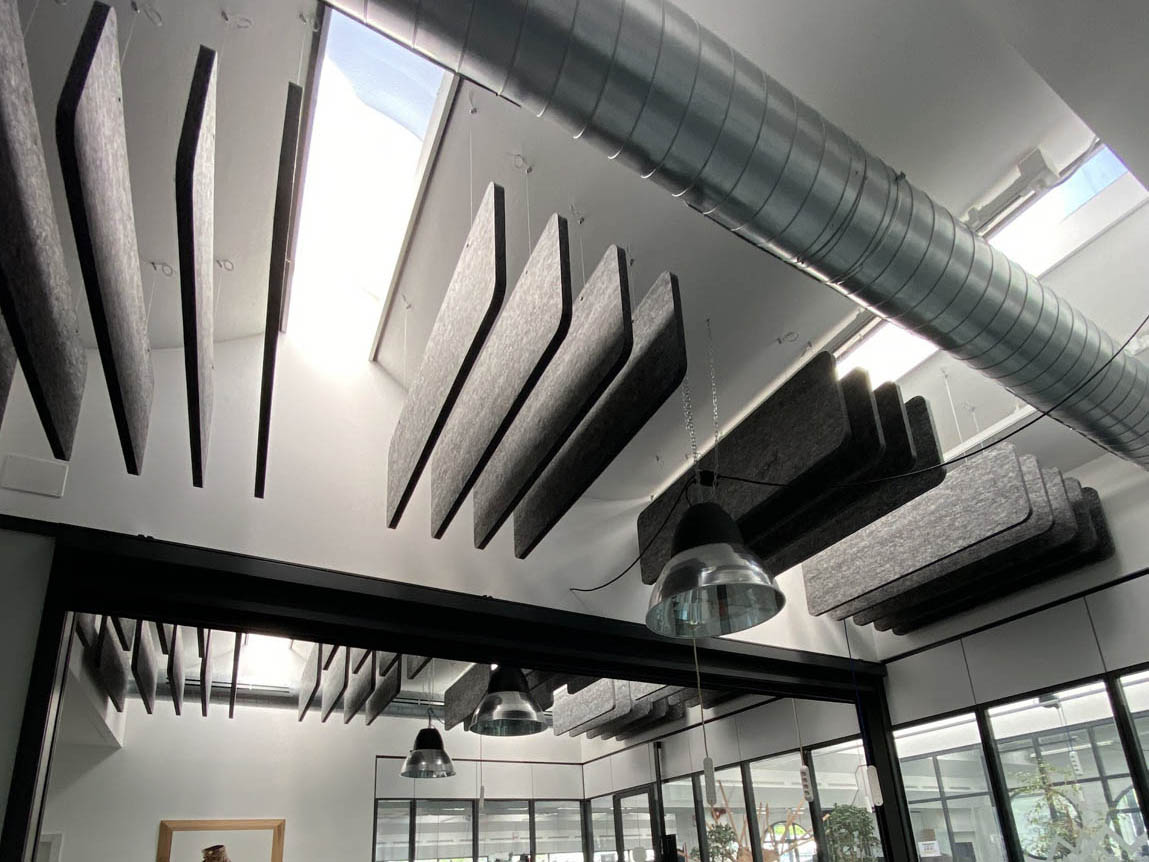
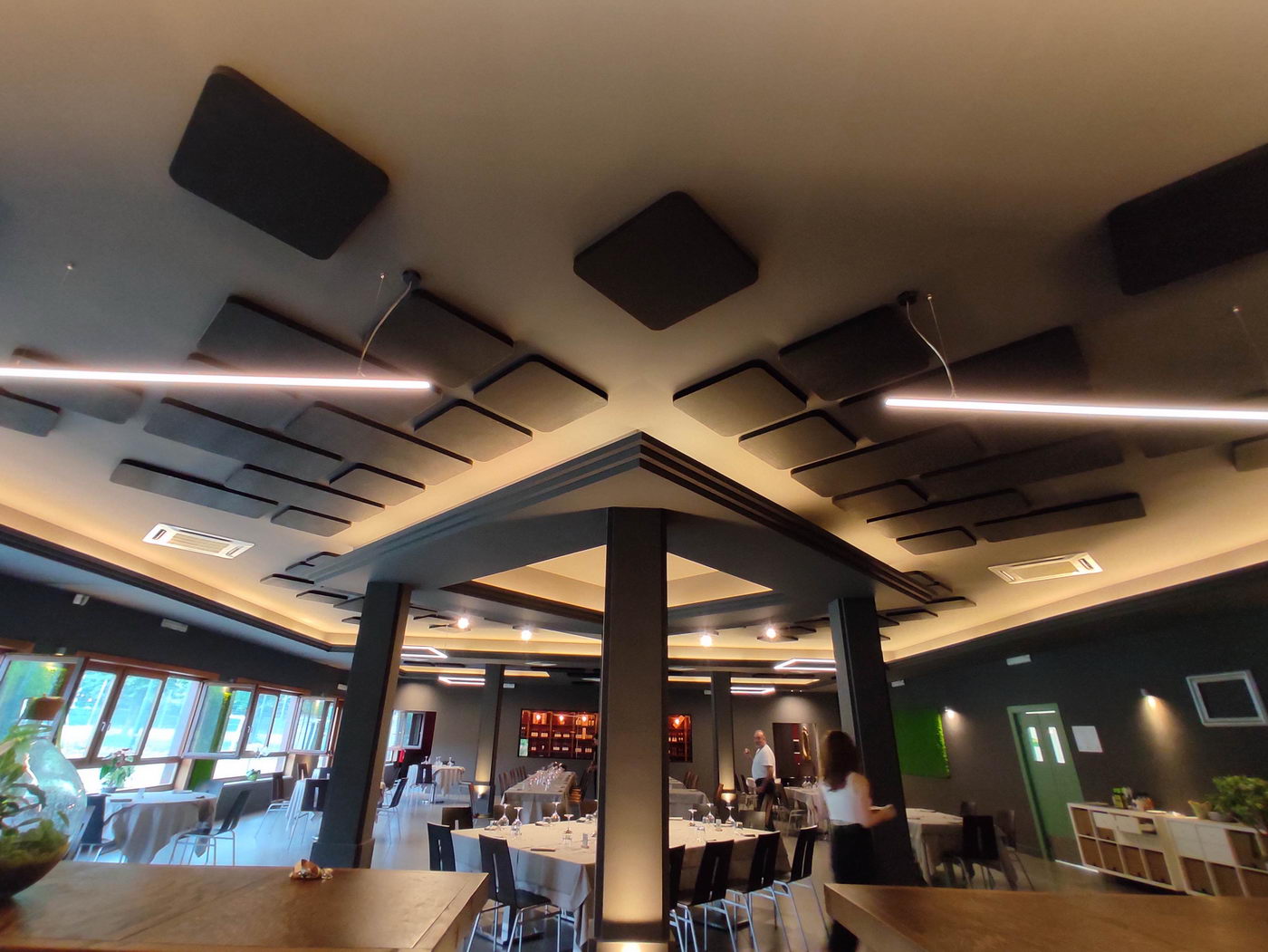
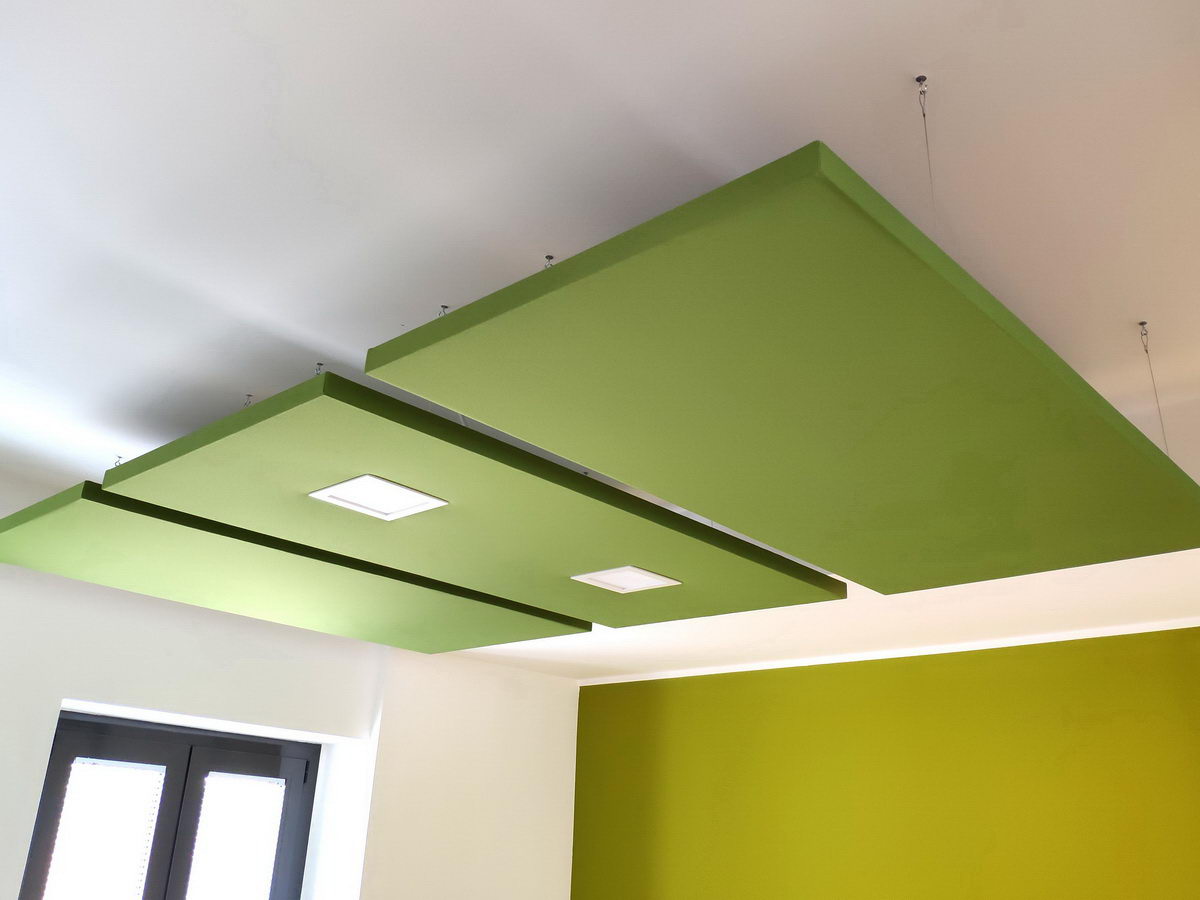
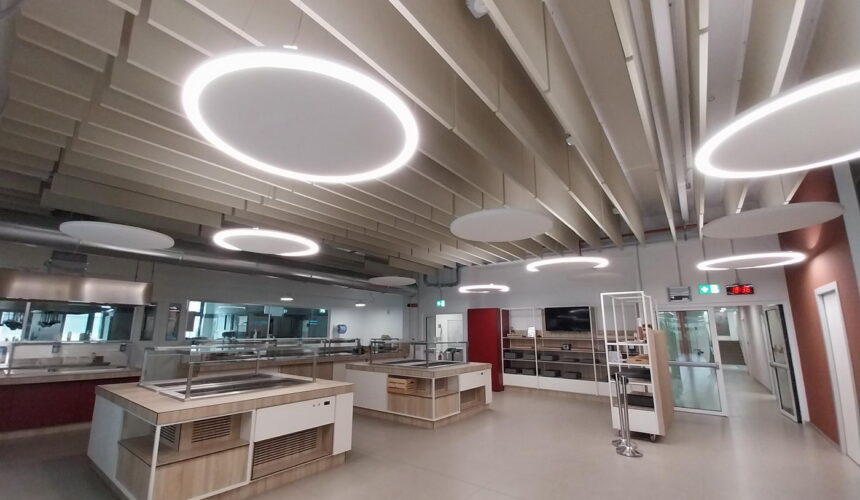
Suspended panels, acoustic islands, and baffles introduce additional sound-absorbing surfaces without significantly changing the arrangement of the dining area.
ACUSTICO® offers ceiling acoustic solutions designed for different architectural environments, including restaurants, bars, and large hospitality spaces.
Products such as DECHO® Baffles can be integrated into ceiling compositions, combining effective sound absorption with a refined visual appearance.
Depending on the room’s height and design, panels can be positioned close to the ceiling or suspended at a suitable level.
AURAL®: Circular Acoustic Panels with Architectural Character
Acoustic products do not have to disappear into the background.
In many hospitality projects, they can become a distinctive feature of the interior design.
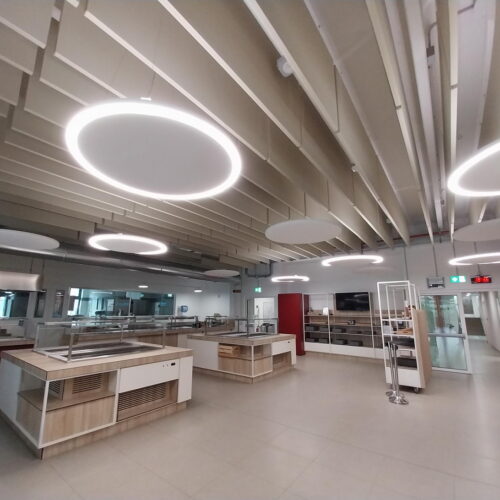
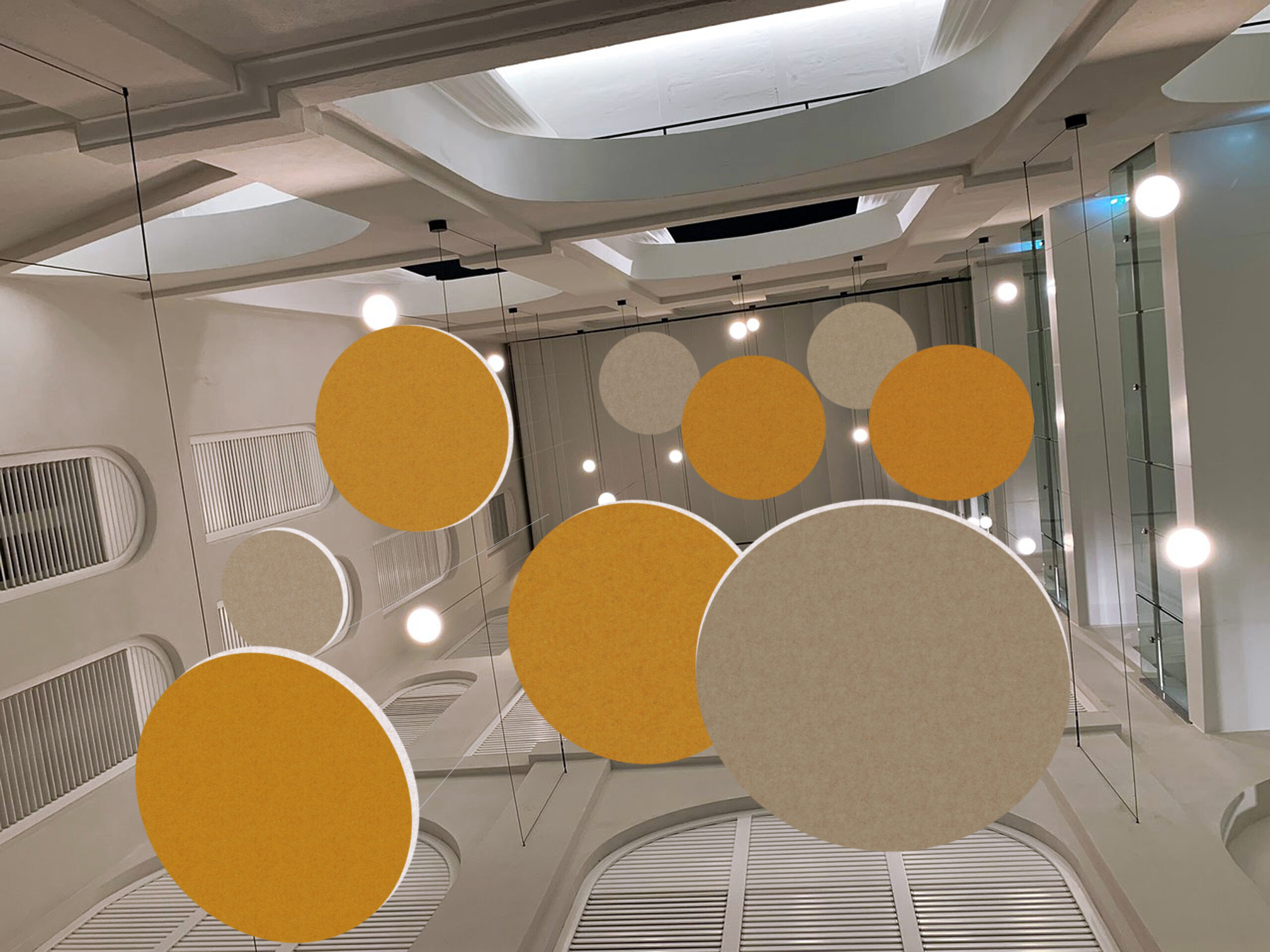
ACUSTICO® AURAL® is a collection of circular sound-absorbing panels designed to combine reverberation control with contemporary aesthetics.
The circular geometry and fabric-covered surfaces allow these panels to complement different interior styles.
AURAL® panels are particularly relevant for restaurants, offices, and large open-plan environments where both acoustic comfort and visual identity are important.
By incorporating these elements into the ceiling or overall architectural composition, designers can improve the acoustic environment while enhancing the character of the space.
Acoustic Solutions for Different Hospitality Environments
Hospitality venues have different sound environments, which means acoustic treatment should reflect their individual characteristics.
Fine Dining Restaurants
In fine dining spaces, clear and comfortable conversation is often a priority.
Acoustic treatments can be integrated discreetly through ceiling panels and wall-mounted elements that complement the interior’s materials and finishes.
Casual Restaurants and Pizzerias
These environments typically experience higher activity levels, particularly during busy dining periods.
Appropriate acoustic absorption can help control the buildup of reflected sound while preserving the venue’s energetic atmosphere.
Cafés and Coffee Shops
Coffee shops often combine casual conversations, background music, and customers working on laptops.
Acoustic panels can help create a more comfortable environment for different activities without compromising the space’s identity.
Bars and Wine Bars
In spaces where music and conversation are both important, acoustic design should consider reverberation, background noise, and the intended listening experience.
Sound absorption can help manage internal reflections, although additional sound insulation may be necessary where noise transmission to neighboring properties is a concern.
Hotel Restaurants and Breakfast Areas
Large dining rooms with hard floors, expansive windows, and high ceilings may experience significant reverberation during busy periods.
Suspended acoustic systems and decorative sound-absorbing panels can be incorporated into the architectural design to help create more comfortable dining conditions.
Can Acoustic Panels Match a Restaurant’s Interior Design?
Yes. Modern acoustic solutions are available in a wide range of designs that allow them to work alongside the restaurant’s architectural concept.
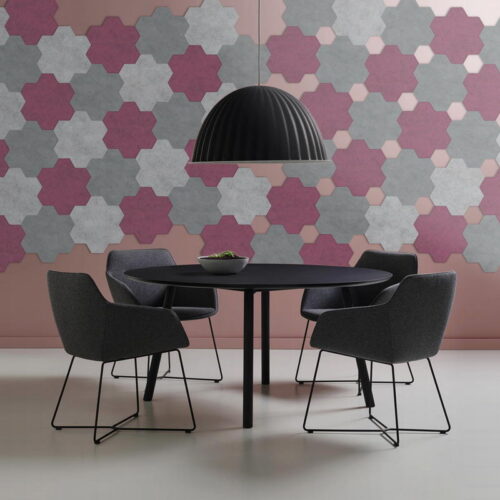
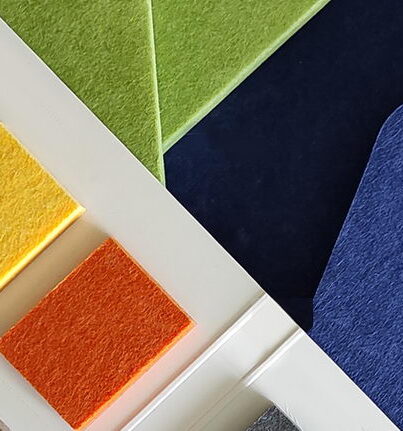
Depending on the selected ACUSTICO® product collection, available options may include different geometric shapes, dimensions, fabric coverings, textures, and colors.
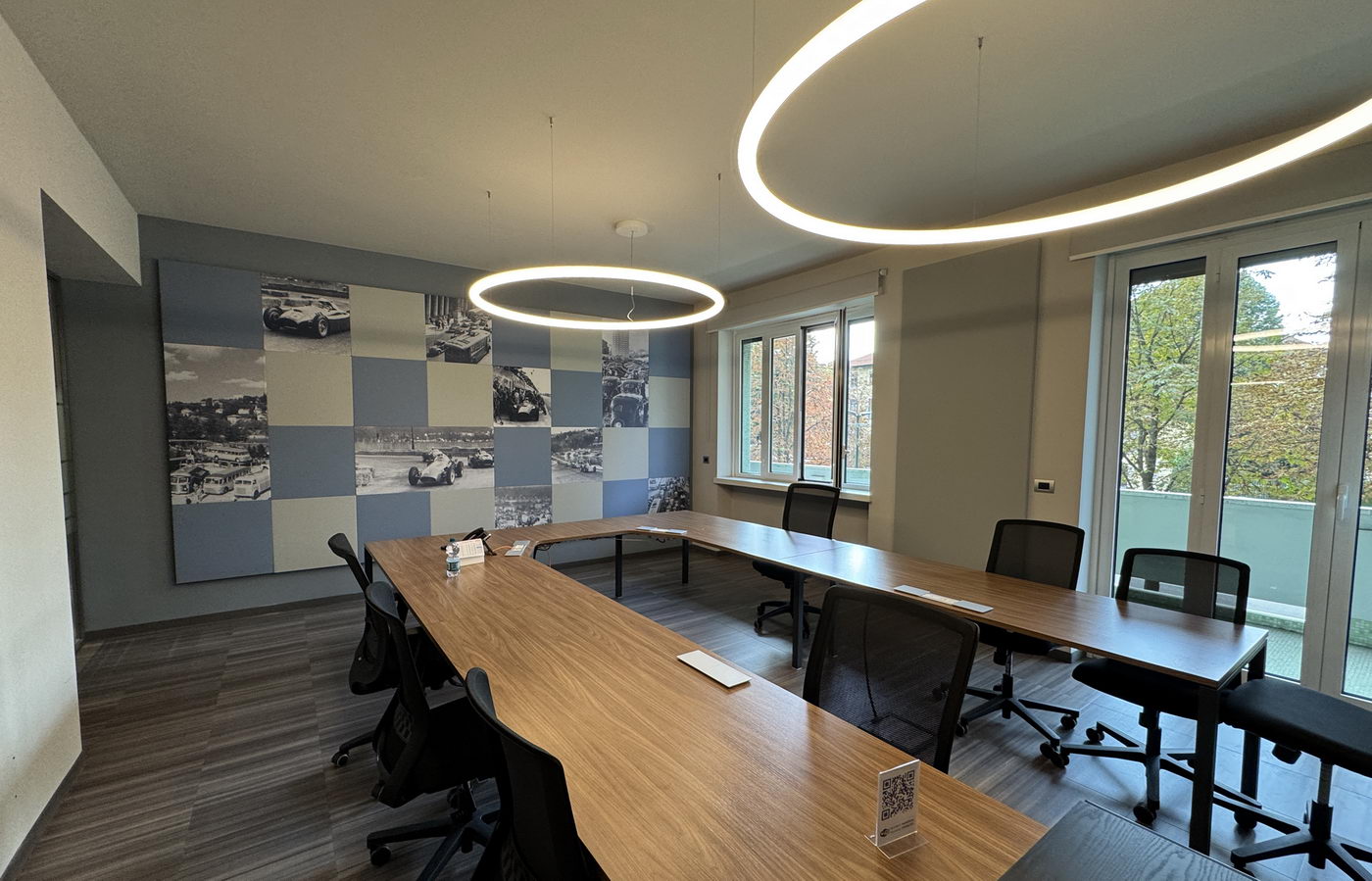
Certain products can also incorporate customized printed designs, allowing acoustic treatment to become a decorative feature.
For example, a contemporary restaurant may feature circular ceiling panels as part of its visual identity, while a minimalist dining space may benefit from understated acoustic elements that blend with the existing finishes.
The aim is to improve acoustic comfort without sacrificing the atmosphere that makes the venue distinctive.
How to Plan an Effective Restaurant Acoustic Treatment
A successful acoustic treatment starts with understanding the room.
ACUSTICO® describes a structured approach to restaurant acoustics based on three fundamental stages.
1. Evaluate the Existing Acoustic Conditions
The first step is to assess the room’s current reverberation characteristics, taking into account its dimensions, materials, furnishings, and typical use.
Where appropriate, reverberation time can be measured or calculated to establish an objective understanding of the problem.
2. Determine the Required Acoustic Absorption
Once the existing conditions and desired result have been identified, the appropriate amount of sound-absorbing material can be calculated.
The objective is to provide sufficient acoustic treatment to improve the environment without introducing unnecessary materials or compromising the design.
3. Select the Appropriate Products and Installation Configuration
The final stage involves choosing acoustic products based on performance, available installation areas, architectural preferences, and project budget.
Wall panels, ceiling systems, suspended absorbers, and decorative acoustic elements can be considered individually or in combination.
A project-specific evaluation helps identify the most effective arrangement.
Acoustic Comfort as Part of the Guest Experience
Acoustic comfort should be considered alongside lighting, furniture, materials, and spatial planning when designing a restaurant.
When reverberation is controlled appropriately, guests can enjoy conversations more comfortably and experience the interior atmosphere with greater clarity.
Acoustic treatment can also contribute to more suitable conditions for staff communication and daily operations.
Importantly, improving restaurant acoustics does not require abandoning contemporary architectural design.
With carefully selected products, sound absorption can become an integrated part of the overall aesthetic concept.
Transform Your Restaurant with ACUSTICO®
ACUSTICO® brings together experience in applied acoustics, innovative sound-absorbing materials, and Italian design to develop solutions for hospitality environments.
From discreet wall-mounted panels to decorative suspended systems and circular AURAL® installations, its product range offers different possibilities for improving the acoustic characteristics of restaurants and other hospitality spaces.
Whether you are developing a new restaurant concept or upgrading an existing venue, acoustic comfort deserves a place in the design process.